Heavy rainstorms in McAlester can arrive suddenly, overwhelming drainage systems and saturating the soil around homes. While surface flooding is easy to notice, basement flooding caused by hidden water intrusion is often far more damaging and difficult to detect. Many homeowners only realize there’s a problem once water damage, mold growth, or structural deterioration has already begun.
Understanding these hidden flood risks after heavy rains is essential for protecting your home and avoiding expensive repairs.
Why Heavy Rains Increase Basement Flood Risk in McAlester
McAlester experiences storm systems capable of producing intense rainfall over short periods. According to the National Weather Service’s flood safety guidance for Oklahoma, flash flooding can occur when rainfall overwhelms drainage systems, and saturated ground can no longer absorb water.
Additionally, regional hazard records show that McIntosh County has a history of flooding related to heavy rainfall and runoff, which increases the likelihood of groundwater pressure building up around residential foundations.
Hidden Ways Water Enters Basements After Heavy Rain
Basement flooding usually isn’t caused by a single obvious opening. Instead, water finds weak points that worsen during storms.
Hydrostatic Pressure Through Foundation Cracks
When the surrounding soil becomes waterlogged, pressure builds against the basement walls and floors. This force — known as hydrostatic pressure — pushes water through even tiny cracks in concrete. Waterproofing specialists explain that basement leaks after heavy rain are often caused by underground pressure rather than surface flooding.
Poor Exterior Drainage and Gutter Problems
Clogged gutters, short downspouts, or improper grading can cause rainwater to pool near the foundation. According to Nationwide’s basement flood prevention guidelines, Poor drainage is one of the most common causes of basement water intrusion during storms.
Rising Groundwater Beneath the Home
In certain areas, heavy rain can raise groundwater levels enough to force water upward through basement floors. Industry experts note that groundwater seepage can flood basements even without visible exterior water.
Sewer and Storm Drain Backups
During intense rainfall, municipal systems can become overwhelmed. Public infrastructure authorities warn that sewer backups are a common basement flooding risk during heavy rain events.
Unsealed Utility and Pipe Penetrations
Water lines, sewer pipes, and electrical conduits pass through foundation walls. If these areas aren’t properly sealed, shifting soil and prolonged rain can allow water to seep in unnoticed.
Warning Signs Your Basement Is at Risk
Basement flooding often shows early warning signs before standing water appears:
- Musty or damp odors
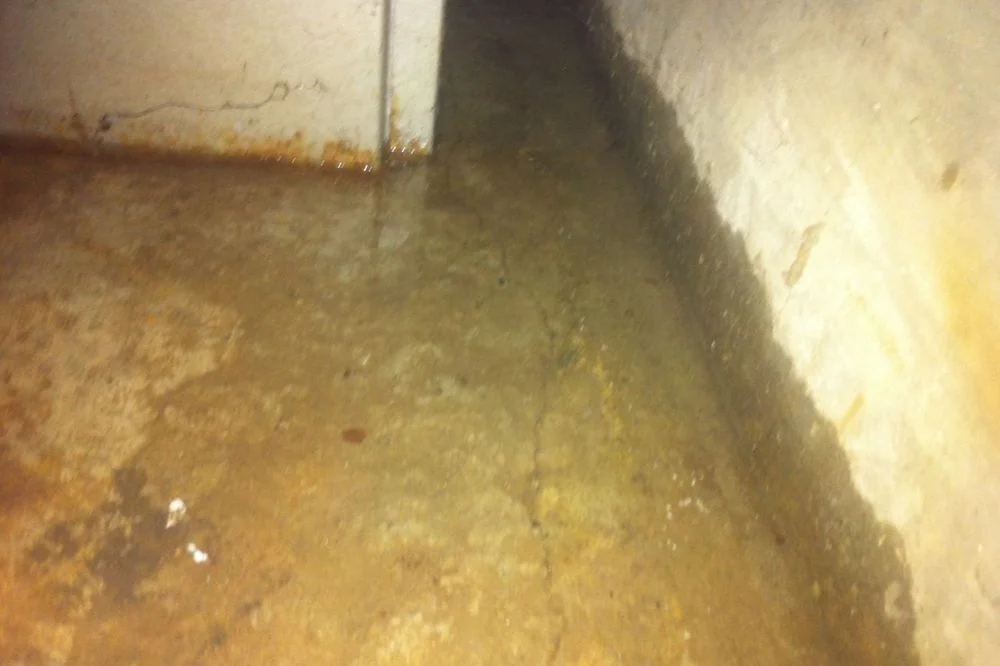
- Discoloration or staining on basement walls
- White chalky residue (efflorescence) on concrete
- Peeling paint or bubbling finishes
- Small puddles that appear after rain and then dry up
These signs typically indicate ongoing moisture intrusion that worsens with each heavy rainfall.
How McAlester Homeowners Can Reduce Basement Flood Risk
Improve Drainage Around the Foundation
Ensure soil slopes away from the home and downspouts discharge water several feet from the foundation.
Keep Gutters and Downspouts Clear
Even small blockages can redirect large volumes of rainwater toward basement walls during storms.
Seal Foundation Cracks and Entry Points
Professional crack sealing and waterproof coatings help prevent groundwater intrusion before it causes serious damage.
Install or Maintain a Sump Pump System
A working sump pump, ideally with a battery backup, provides critical protection during heavy rain and power outages.
Protect Against Sewer Backups
Backwater valves can help prevent sewage or stormwater from backing up into the basement during extreme rain events.
Why Professional Water Damage Restoration Is Essential
Hidden basement flooding can cause extensive damage behind walls, beneath flooring, and within structural materials. Without professional moisture detection and drying, trapped water can lead to mold growth and long-term structural issues.
Homeowners experiencing storm-related flooding can rely on professional water damage restoration services in McAlester to identify hidden moisture, remove water, and restore affected areas safely.
Structural and Health Dangers
Water infiltration erodes foundations, rots wooden beams, and shifts floors, potentially costing thousands in repairs.
Mold colonizes damp drywall and insulation within 24-48 hours, releasing spores that trigger allergies, asthma, and respiratory issues.
Contaminated floodwater carries bacteria like E. coli, risking infections, while standing water invites pests spreading diseases.
| Damage Type | Impact | Timeline |
| Foundation Cracks | Shifting, instability | Ongoing exposure |
| Mold Growth | Allergies, lung issues | 24-48 hours |
| Wood Rot | Structural failure | Weeks of moisture |
Prevention Strategies
Install and test sump pumps quarterly, adding battery backups for storm reliability, and clean gutters twice yearly.
Apply waterproof membranes to basement walls and install backflow valves on drains to block sewage reversal.
Landscaping with swales or rain gardens channels excess water away effectively.
Learn more from
FEMA’s Oklahoma Flood Resources
Regular inspections catch issues early, per
NOAA’s Flood Safety Guidelines
Restoration Essentials
Act fast post-flood: shut off electricity, extract water with pumps, and deploy dehumidifiers to halt mold.
Professionals assess hidden moisture, sanitize surfaces, and rebuild with mold-resistant materials.
Document damage for insurance, monitoring levels until dry.
Facing basement flood damage in McAlester? Contact FloodSERV now for rapid, expert Water Damage Restoration in McAlester.
Helpful Resources for McAlester Homeowners
For additional storm preparedness, review:
This guide explains practical steps homeowners can take to reduce flood exposure during severe weather.
Final Thoughts
Basement flooding in McAlester is often caused by hidden risks such as groundwater pressure, drainage failures, and foundation vulnerabilities — especially after heavy rains. Recognizing early warning signs and taking preventative action can save homeowners from costly repairs and long-term damage.
When water intrusion does occur, a fast professional response is critical to protecting both your home and indoor air quality.