
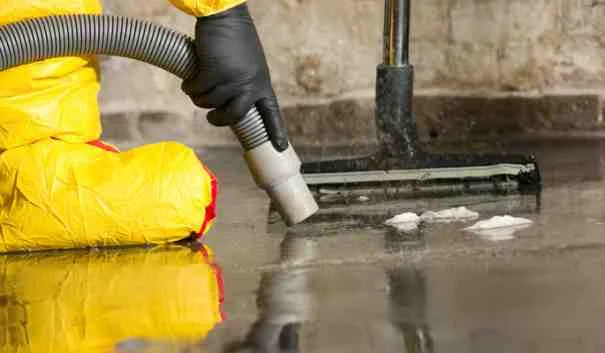
Your sewer lines transport waste water from your home to local sewer mains. If a clog forms or the line fails, it can cause raw sewage to backup in your home, creating a serious health hazard. Sewage carries bacteria and germs, and exposure to these can cause a variety of different diseases. Unfortunately, it is never as simple as cleaning and sanitizing the affected areas. Instead, it is necessary to remove all contaminated building materials including the carpet, carpet pad, flooring, baseboards, furniture and everything else touched by sewage.
FloodSERV is a certified sewage backup cleanup company offering immediate response, 24/7. Since every sewage disaster and client’s property are unique, we tailor our response to your needs. While you’re waiting for us to arrive, here is some helpful information that can reduce your damages and expenses.
What is Sewage?
Sewage consists of organic and inorganic matter, including human waste, mineral salts, and garbage. The organic materials rapidly decompose, emitting noxious gases that threaten your health. As if that wasn’t enough, the organic materials carry pathogens that pose a serious risk to any humans and animals. Sewage water is considered Category 3 water or black water.
There are two main types of sewage that will cause issues for property owners: treated and untreated. If you have a sewage backup, it is most likely untreated. Untreated sewage has not been processed by a water treatment plant and often arises from broken toilet pipes, backups, and floodwaters.
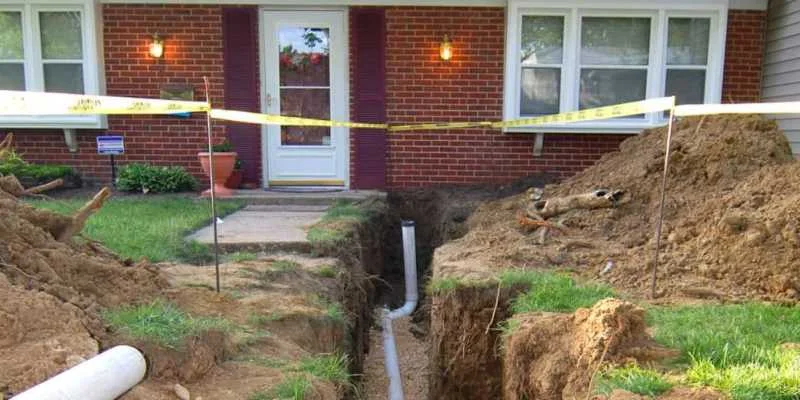
What to Do if You Have a Sewage Overflow
If you discover a sewage backup, there are a few things you can do while you wait for help to arrive:
-
Call a sewage backup cleanup and restoration professional.
-
Shut off any water entering drains.
-
Turn off the electricity if the overflow happens near outlets.
-
Wear proper protective equipment, including gloves, boots, goggles, and a mask if you need to enter contaminated areas of the property.
-
Check toilets, sinks and pipes for blockages. If possible, clear the blockage. If not, call a plumber as well.
-
Do not use sinks or toilets until the clog is removed, otherwise water will back up into your property.
-
If you have standing water and sewage in the property, do not enter the premises to avoid electrocution.
-
Avoid touching your nose, eyes or mouth with contaminated hands or gloves.
Why Clean Water Can Turn Into Black Water
Water damage is graded by how contaminated it is. Clean water from a supply line that sits warm and untreated can degrade to gray water, then black water, within a few days.
That is why a leak left over a long weekend can turn into a sewage-level cleanup, with more materials that have to come out.
Mistakes That Spread Sewage Through the House
- Walking through the water, which tracks bacteria into clean rooms
- Running fans over wet, contaminated areas, which can push contaminated droplets into the air
- Turning the HVAC back on before you check the air ducts for contamination
- Trying to save carpet, pad or drywall that the sewage soaked into
Porous materials hold contamination inside even when the surface looks clean, so they get removed rather than scrubbed.
Our Sewage Backup Cleanup Process
Once you’ve placed your call to FloodSERV we mobilize to respond as quickly as possible. After arriving on-site, we begin the sewage cleanup process:
-
Inspection
-
Sewage Water Extraction & Sewage Cleanup
-
Damaged Materials Removal
-
Drying & Decontamination
FloodSERV Responds 24/7 to Sewage Emergencies
No matter what the reason for having sewage inside a building, it is a hazardous substance that requires a specialized cleaning process. FloodSERV has the equipment, expertise, and experience to perform the job correctly the first time. Call us today for assistance!
