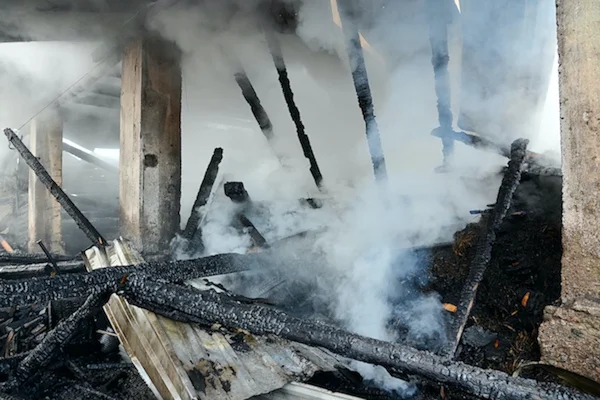
When the smoke clears after a property fire, the initial shock slowly gives way to a daunting reality: the rebuilding process. Looking at a fire-damaged home or business can feel incredibly overwhelming. Property owners are immediately faced with a barrage of questions: how long the recovery will take, how much it will cost, and how to effectively deal with their insurance providers to cover the damage.
Recovering from a fire is not a weekend DIY project; it is a multi-phased construction and restoration effort. To help you navigate this complex journey, we have broken down the typical timeline, the variables that influence restoration costs, and crucial tips for managing your insurance claim.
The Rebuilding Timeline: What to Expect
The timeline for rebuilding after a fire varies wildly depending on the severity of the blaze, the size of the property, and the speed of the insurance approval process. However, most restoration projects follow a predictable sequence of phases.
Here is a general timeline to help set your expectations:
|
Phase 1: Emergency Mitigation
|
Days 1–3 | Structural assessment, emergency board-up, roof tarping, and immediate water extraction from firefighting efforts. |
|
Phase 2: Cleanup & Deodorization
|
Weeks 1–3 | Complete structural drying, debris removal, soot cleanup, and neutralizing airborne and embedded odors. |
|
Phase 3: Planning & Approvals
|
Weeks 2–4+ | Gathering estimates, finalizing rebuilding plans, securing necessary city permits, and obtaining insurance claim approvals. |
|
Phase 4: Reconstruction
|
Months 1–4+ | Repairing or replacing drywall, flooring, electrical systems, plumbing, and structural framing. |
If you want a deeper dive into the specific steps taken during the mitigation and cleanup phases, we highly recommend reading our guide detailing the complete fire damage restoration process.
Understanding the Costs of Fire Damage Restoration
Estimating the cost of fire damage restoration is difficult without a professional on-site assessment. A small kitchen fire might cost a few thousand dollars to clean and repair, while a major structural fire can easily soar into the tens or hundreds of thousands of dollars.
Several key factors will heavily influence the final cost of your project:
1. Extent of Structural Damage
The most significant cost driver is the amount of physical reconstruction required. If the fire compromised the home’s structural integrity—requiring new roof trusses, floor joists, or foundation repairs—the costs will mirror those of new construction. Minor surface burns that only require drywall patching and fresh paint will be considerably less expensive.
2. Water Damage and Mold Mitigation
Fires are rarely just about fire. The thousands of gallons of water used to extinguish the flames cause immediate damage to the flooring and drywall. If this water is not extracted rapidly, toxic mold can begin to grow within 48 hours, adding complex mold remediation costs to the overall bill.
3. The Complexity of Smoke and Soot
Soot is highly acidic and corrosive. Depending on what burned (wood, plastics, synthetics, or proteins), the resulting soot requires different chemical cleaning agents. Furthermore, smoke penetrates deep into the HVAC system and porous materials. Standard cleaning will not eliminate these smells; true restoration requires thermal foggers, ozone treatments, and other advanced smoke odor removal techniques, all of which factor into the final cost.
Insurance Tips for Fire Damage Claims
Your homeowner’s or commercial property insurance policy is your financial lifeline during a fire rebuild. Navigating the claims process requires diligence, organization, and a clear understanding of the roles of the professionals involved.
Here are the most important steps to take when dealing with your insurance:
- Request an Advance: Many policies include provisions for an immediate cash advance to cover emergency living expenses, such as clothing, toiletries, and hotel stays, while you are displaced from your home. Ask your agent about this right away.
- Document Everything Meticulously: Before the restoration crew begins moving debris, take hundreds of photos and videos of the damage. Document every affected room and compile a detailed inventory of lost personal items, including their estimated value and, if possible, the purchase date.
- Keep a Paper Trail: Log every phone call, email, and meeting you have with your insurance company. Write down the names of the representatives you speak with, the dates of the conversations, and the exact information provided.
- Understand the Role of Your Restoration Contractor: Professional restoration teams play a critical role in the insurance process by providing detailed documentation, moisture readings, and line-item estimates of the mitigation and repair costs to support your file. However, it is important to note that restoration contractors do not navigate the claim itself. We meticulously prepare the necessary evidence and documentation, but because we do not hold a public adjuster’s license, we cannot negotiate directly with the insurance carrier on your behalf. You, or a licensed public adjuster you hire, will use our documentation to process and settle the claim.
- Review Your Coverage Limits: Familiarize yourself with the difference between “Actual Cash Value” (what an item is worth today, minus depreciation) and “Replacement Cost” (what it costs to buy a brand-new version of that item). Knowing your policy limits will help you make informed decisions during the reconstruction phase.
Ready to Start the Rebuilding Process?
Rebuilding your property after a fire is a complex journey, but you do not have to walk it alone. At FloodServ, our expert team provides rapid, reliable, and comprehensive recovery services to get your home or business back to its pre-loss condition as quickly and safely as possible. From emergency board-ups to the final coat of paint, we are here to support you.
Learn more about our professional fire damage restoration services and contact us today to schedule an emergency assessment.