Heavy rainfall is a recurring challenge for homeowners in Eufaula, Oklahoma—especially during prolonged storms and seasonal weather patterns influenced by Lake Eufaula. One of the most overlooked yet critical defenses against rain-related damage is your downspout system. When downspouts fail, water has nowhere to go, leading to foundation issues, crawl space flooding, and costly repairs.
This guide provides practical, step-by-step downspout maintenance advice tailored specifically for Eufaula properties, helping you protect your home before heavy rain becomes a serious problem.
Why Downspout Maintenance Is Essential for Eufaula Homes
Downspouts control where roof runoff goes after a storm. If they’re clogged, disconnected, or improperly positioned, water pools around your foundation—one of the most common causes of structural water damage.
Eufaula homes face increased risk due to:
- Heavy seasonal rainfall
- Proximity to Lake Eufaula
- Clay-rich soil that retains moisture
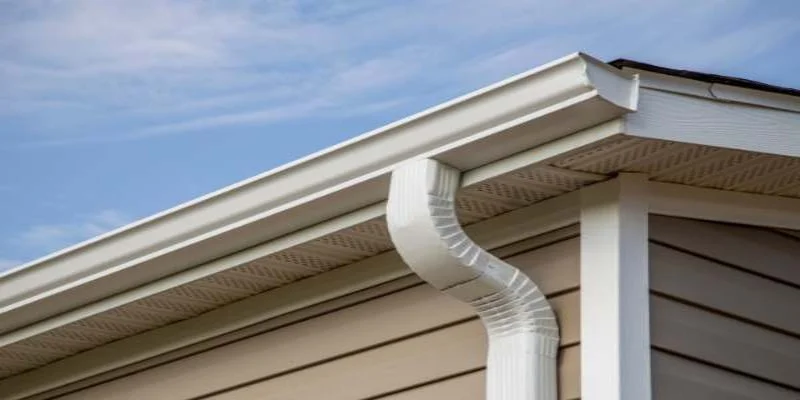
How Downspouts Protect Your Home During Heavy Rain
A properly functioning drainage system:
- Collects rainwater through roof gutters
- Channels water down vertical downspouts
- Directs runoff safely away from the home
When any part of this system fails, water backs up and overflows near the structure. This becomes especially dangerous during lake level increases and spillway releases—an issue discussed in detail in Lake Eufaula spillway flood protection for local homes.
Complete Downspout Maintenance Checklist
1. Clear Downspout Blockages
Leaves, pine needles, shingle granules, and nesting debris frequently clog downspouts.
What homeowners should do:
- Watch for gutter overflow during rain
- Flush downspouts with a garden hose
- Listen for slow or uneven drainage
Poor drainage can contribute to mold and indoor moisture issues, as explained in the EPA’s guidance on moisture control and mold prevention.
2. Ensure Proper Water Discharge Distance
Downspouts should release water at least 4–6 feet away from your foundation.
Effective solutions include:
- Downspout extensions
- Splash blocks
- Proper soil grading away from the home
According to FEMA flood mitigation best practices, redirecting roof runoff is one of the most effective ways to reduce flood-related property damage.
3. Secure Loose or Damaged Downspouts
Storm winds and heavy rainfall can loosen brackets and joints.
Check for:
- Detached elbows or connectors
- Rusted, cracked, or dented sections
- Sagging vertical runs
4. Keep Gutters Clean to Protect Downspouts
Downspouts can’t work if gutters are clogged.
Best practices include:
- Cleaning gutters at least twice per year
- Increasing frequency if trees overhang your roof
- Installing gutter guards to reduce debris buildup
For homeowner-friendly guidance, This Old House’s gutter maintenance guide offers safe and effective techniques.
Advanced Drainage Upgrades for Heavy Rain Protection
For Eufaula properties exposed to frequent storms, these upgrades can significantly improve protection:
Underground Downspout Drainage
Buried piping moves water far from the foundation and prevents soil erosion near the home.
French Drains & Yard Drainage Systems
Ideal for properties where water consistently pools after rainfall.
Research from the U.S. Geological Survey on stormwater runoff highlights how unmanaged runoff increases flooding risks around residential properties.
Warning Signs Your Downspouts Are Failing
Contact a professional if you notice:
- Standing water near your foundation
- Damp crawl spaces or basements
- Foundation cracks or wall separation
- Musty odors or visible mold
These symptoms often signal developing water intrusion that escalates quickly without intervention. Learn more through local water damage restoration services in Eufaula.